
Practical guidance for New Zealand
Mould cleaning, repairs and preventing recurrence
Choose between small-area cleaning, professional work and repairs to the conditions behind the growth.
Guidance reviewed 10 October 2026. This is general property information; health, legal and insurance decisions depend on the circumstances.
Keep mould from coming back
Cleaning addresses the growth you can see. Reducing recurrence also means understanding why surfaces become damp. Repairs, extraction, heating, insulation and day-to-day moisture control may all have a part to play.
Which heating options should I consider?
Heat pumps
Efficient electric heating when correctly sized and positioned. Ask a qualified installer about the rooms you need to heat and local conditions.
Flued gas heating
A flue carries combustion products outside. This differs from a portable unflued LPG heater. Installation and servicing need an appropriately qualified gas worker.
Central heating
Ducts or radiators distribute heat to several rooms. Suitability depends on the property, insulation, controls, heat source and running costs.
Heating, moisture removal and fixing water entry are different tasks. Heating does not replace extraction or repair an active leak.
Heating options are explained here as guidance. Any heating-system installation or servicing needs its own appropriately qualified provider.
Sources: MBIE - heating your home (opens in a new tab) · WorkSafe - gas heating (opens in a new tab)
Can my heater make dampness worse?
Yes. Unflued gas heaters release water vapour and combustion pollutants into the room. Do not use them in bedrooms, bathrooms or small rooms. Outdoor heaters, barbecues and camping cookers must never be used indoors.
Open fires are an inefficient way to heat a home and can contribute smoke. Consider the heating system, its condition and the needs of the people living in the property when seeking advice.
Sources: WorkSafe - safe gas heating (opens in a new tab) · MBIE - heating systems (opens in a new tab)
What makes ventilation effective?
Capture steam where it is produced. Kitchen and bathroom extraction should discharge outdoors, with suitable fan capacity, sound ducting and regular cleaning. Air rooms when practical and consider how washing is dried.
A whole-home ventilation system needs advice suited to the building. MBIE recommends outside supply air rather than treating roof-space air as clean, dry fresh air.
Sources: EECA - dampness and airflow (opens in a new tab) · MBIE - moisture and ventilation (opens in a new tab)
Match the work to the room
Record when the room becomes wet, how long steam remains and what extraction is already in place. A fan being present does not establish how well it removes moisture.
We flag ventilation concerns and explain the observations in the agreed findings. The client arranges any fan, ducting or electrical work directly with a suitable specialist. We do not quote for or organise that installation.
How do insulation and draught control help?
Insulation reduces heat loss. Gaps, dampness or displaced insulation can undermine its performance. Ceiling and underfloor areas are useful starting points for an appropriate assessment; wall insulation can be considered during relevant repairs or renovations.
Draught control and ventilation need to work together. Improving a window or door seal should not block an intentional ventilation opening.
Sources: EECA - insulation (opens in a new tab) · EECA - airflow and moisture (opens in a new tab)

Use the report to plan the repairs
Keep the complete report and photographs together. Identify the work you want quoted, anything already allocated to another contractor and who will review the result.
Heating and specialist installations need their own provider. Limited insulation work may be considered only where suitable and explicitly agreed; this is not a general insulation-installation service. Completing agreed repairs does not certify the whole property.
What if mould returns despite heating and airing the house?
Record where growth returns and when surfaces become wet. Continuing dampness can warrant investigation of water entry, plumbing, ground moisture, cold surfaces and ventilation. The visible pattern is a clue, not proof of the cause.
Source: MBIE - controlling moisture and damp (opens in a new tab)
Plan treatment, repairs and finishing together
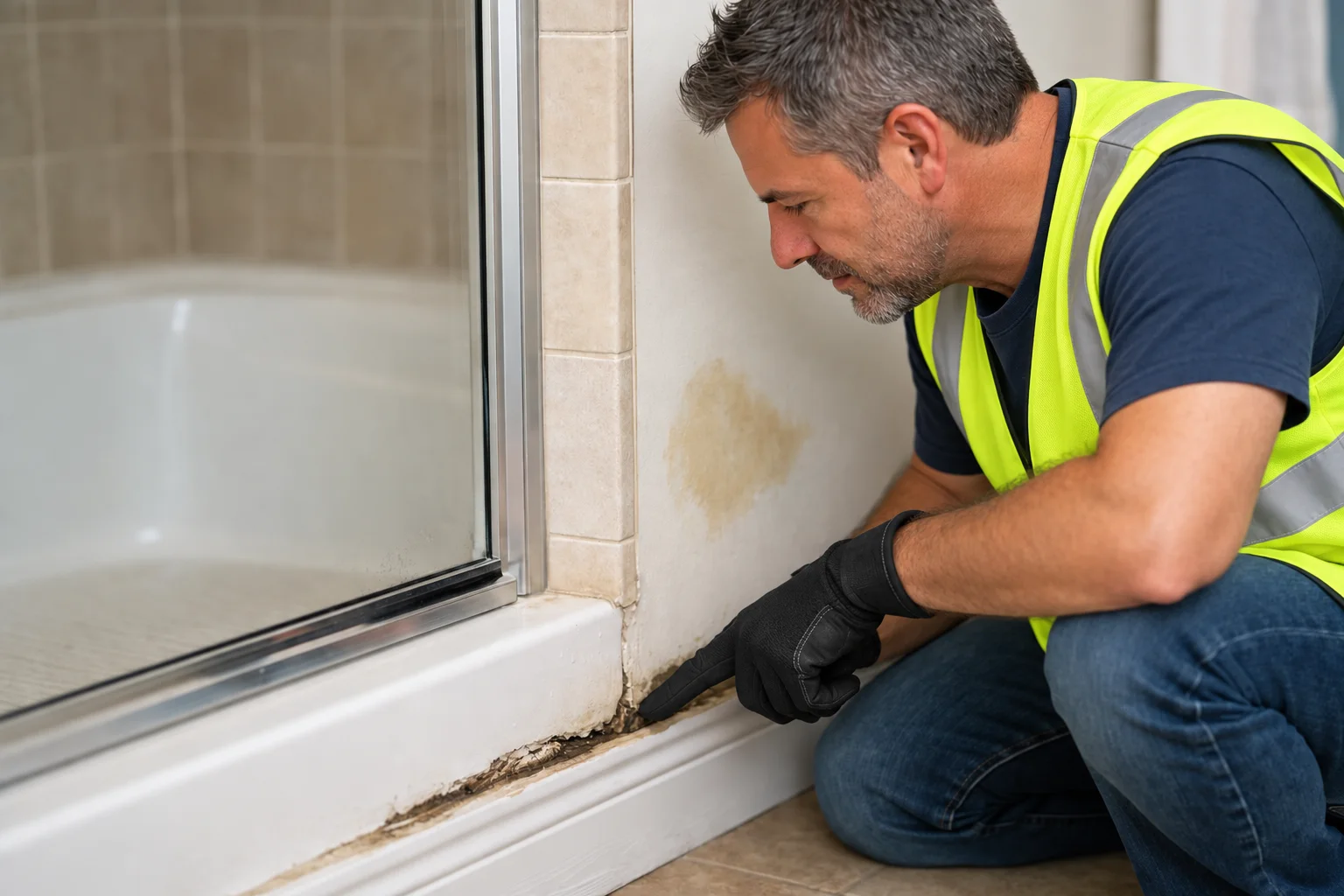
A damaged lining or peeling finish needs its condition checked before repainting. Identify ongoing water entry, materials needing repair and any separate trade work before covering the area.
Share photographs, the history of the problem and any relevant reports so the work and sequence can be agreed.
Is financial help or a home check available?
Sometimes. Eligibility and the kind of assistance available matter.
Eligible owner-occupiers may be able to access Warmer Kiwi Homes assistance for insulation and approved heating. Use EECA’s current eligibility checker before arranging work. Rentals and homes owned by businesses are excluded from this programme; it is not a general mould-cleaning subsidy.
HomeFit offers an online home check. That check is different from paid certification by a qualified assessor.
Check Warmer Kiwi Homes eligibility → (opens in a new tab) · How HomeFit works → (opens in a new tab)
Foundation-led topics adapted in Healthy & Dry’s own words and checked against the New Zealand sources linked above. Cardiac and Respiratory Foundation NZ - your home and your health (opens in a new tab).
When can I clean a small patch myself?
A small, accessible patch on a sound washable surface may be manageable by the occupant, provided the moisture source is addressed and the person can work with suitable protection and ventilation. Follow the surface and cleaning-product instructions, keep others away and dry the area. Never mix cleaning chemicals. Painting over growth does not remove it or solve the dampness.
Seek advice for widespread or returning growth, hidden spaces, badly wet porous materials, flooding or sewage, difficult access, suspected asbestos, or health circumstances that make cleanup unsuitable. Bleach or vinegar is not a universal answer for every material; a stain disappearing is not proof that the underlying problem is resolved. The aim is appropriate removal and moisture control, not simply changing the colour.
Sources: US EPA - mould, moisture and cleaning (supplementary guidance) (opens in a new tab); HealthEd - mould after flooding (opens in a new tab); HealthEd - cleaning a flooded home (opens in a new tab).
What should professional cleaning and treatment involve?
A sound plan identifies the affected materials and moisture conditions, protects adjacent areas and occupants, removes growth and contamination with methods suited to the surface, and checks the agreed work. Dust-generating work may require isolation, controlled handling and suitable extraction. The controls should match the size and nature of the job rather than being assumed identical for every ceiling or building.
We use professional Actichem products selected for the surfaces and work required. Where suitable, a protective treatment can help discourage mould regrowth. We confirm the product’s suitability for your surfaces and the aftercare required. Protective treatment works alongside moisture control; the period before new growth varies with the conditions in your home.
Fogging or spraying alone does not replace removal of affected material or moisture repairs where these are needed. Ask which products will be used, why they suit the materials, what protection and ventilation are needed, and the instructions for re-entry, drying and residues. A product’s use in one setting is not a blanket assurance that it is harmless for every person or pet.
Sources: US EPA - mould, moisture and cleaning (supplementary guidance) (opens in a new tab); WorkSafe - managing health and safety risks (opens in a new tab); Cleaning Systems - Actichem BiQsan (supplier product claims) (opens in a new tab).
Will linings, carpet or belongings need replacement?
It depends on each material’s condition and whether it can be suitably cleaned.
Sound surfaces may be cleaned, while deteriorated or deeply affected porous materials may need removal. Assess plasterboard, insulation, carpet and underlay individually rather than assuming every item can be saved or every room must be stripped. Belongings also vary: a washable hard item differs from a damp mattress, upholstered furniture, books or a soft toy. Keep affected items separate until a cleaning or disposal plan is agreed.
Before disturbing older materials, consider asbestos and other hazards; suspected asbestos needs appropriate assessment and specialist handling. Agree removal, disposal, drying, repairs and repainting separately in the scope. Healthy & Dry can discuss selected wall, ceiling, shower-lining and finishing repairs. The client arranges plumbing or electrical specialists directly; floor and subfloor repairs are excluded. Do not cover wet or damaged materials simply to conceal the problem.
Sources: US EPA - mould, moisture and cleaning (supplementary guidance) (opens in a new tab); WorkSafe - working with or near asbestos (opens in a new tab).
Can I prevent mould permanently?
No. Mould spores occur naturally in indoor and outdoor air. The practical goal is to remove existing mould and keep your home’s surfaces dry enough to discourage new growth.
That means addressing leaks and dampness, managing indoor moisture, and improving ventilation, heating or insulation where needed. Treatment alone cannot keep mould away if the conditions supporting its growth remain.
Sources: US EPA - mould, moisture and cleaning (supplementary guidance) (opens in a new tab).
Why does mould return: condensation, leaks or ground moisture?
Growth can return when surfaces remain damp. Condensation often appears on cold windows, corners and ceilings, while rain entry, plumbing leaks and ground moisture can have different patterns. Those patterns are clues, not a certain diagnosis. Record when surfaces get wet, the weather, room use and any plumbing incidents; a recurring isolated patch may need further investigation.
Cleaning and fixing the source are separate tasks. Ask which moisture repairs the quote includes and which need another trade. Wiping wet windows and reducing indoor moisture can help, but will not mend a leak. In a subfloor, check water entry, drainage, ground moisture and ventilation as well as affected timber or particleboard; safe access and services must be considered before investigation.
Sources: Tenancy Services - mould and dampness (opens in a new tab); US EPA - mould, moisture and cleaning (supplementary guidance) (opens in a new tab).
Will heating, a dehumidifier or ventilation fix it?
Sometimes. These measures can help with condensation, but they do not repair water entry.
Heating, extraction and ventilation can help reduce condensation, and a dehumidifier can remove moisture from room air. They do not repair water entering through a roof, pipe or ground. Heating alone also does not remove all the moisture generated inside. Insulation can help reduce cold surfaces, but the building and moisture source still need attention.
Everyday steps include airing rooms when conditions allow, using kitchen and bathroom extraction, wiping condensation and drying washing outdoors where practical. Open curtains for daytime warmth and close them at night to retain heat. Attend to leaks and persistent wet areas as well as managing moisture generated indoors.
Rental Healthy Homes standards cover heating, insulation, ventilation, moisture ingress and drainage, and draught stopping. Meeting those requirements does not mean a home can never develop mould: maintenance, new leaks, cold spots and occupancy conditions can still matter. A shower dome does not replace required ventilation or certify compliance.
Sources: EECA - warm, dry homes in winter (opens in a new tab); Tenancy Services - Healthy Homes standards (opens in a new tab); Tenancy Services - mould and dampness (opens in a new tab); EECA - reducing dampness and improving airflow (opens in a new tab).
How is flood damage different from an ordinary mould patch?
Floodwater can carry sewage and other contaminants. If you were evacuated, return only after council inspection and permission. Check building, electrical and access safety before entering; protective equipment does not make an unsafe building safe. Keep children and pets away from cleanup.
In a flood-affected home, Health New Zealand advises assuming mould contamination after more than two days of flooding, or where water damage, visible mould or strong musty smells are present. This guidance is specific to flooding; do not wait for visible growth before addressing flood damage.
Contact your insurer before cleanup or disposal of damaged items. Record damage with photographs when safe, and agree what can be cleaned, dried or replaced. Large areas of mould and contaminated materials warrant specialist advice.
Sources: HealthEd - mould after flooding (opens in a new tab); HealthEd - cleaning a flooded home (opens in a new tab).
What should I wear in a flood-affected home?
For inspection or cleanup after safe entry is confirmed, use overalls or clothing covering arms and legs, sturdy waterproof footwear with rubber soles, suitable gloves, eye protection and a properly fitted P2 or N95 respirator. The equipment must suit the task and does not remove structural, electrical or material hazards.
Stop work if you encounter suspected asbestos or other hazardous debris and seek specialist advice. Ask your council about hazardous flood debris; asbestos-containing materials need appropriate assessment and licensed removal where required.
Sources: HealthEd - cleaning a flooded home (opens in a new tab); HealthEd - mould after flooding (opens in a new tab).
How should I approach drying and cleanup after flooding?
Start drying as promptly as safety permits. Stop water entry and remove pooled water safely. Air rooms when suitable; keep external doors and windows closed while a dehumidifier is operating. Do not use flood-affected electrical or heating equipment until it has been appropriately checked. Never run fuel-powered generators or other fuel-burning equipment indoors or in enclosed spaces.
Follow cleaning-product and surface instructions and never mix cleaning products. Avoid water blasting that can spread contamination. Cleanup needs to address contaminated materials and trapped moisture as well as surface growth. Use the linked HealthEd resources for detailed cleanup guidance, with specialist help for extensive damage or unsafe work.
Sources: HealthEd - cleaning a flooded home (opens in a new tab); HealthEd - mould after flooding (opens in a new tab).
How do I judge the result, and what if mould comes back?
Check the agreed areas, removal or replacement of affected materials, remaining moisture and the work recorded in the handover. Staining can remain after cleaning; persistent musty odour or dampness can warrant further investigation. Photographs show visible conditions, but cannot demonstrate every hidden surface or a medically safe building. Extra verification should have a defined purpose and agreed scope.
For household services, Consumer Guarantees Act rights can apply independently of a company warranty, including reasonable care and skill and remedies for qualifying failures. A business purchase can have different contractual treatment. Contact the provider with the evidence and seek consumer advice if the issue remains unresolved.
Keep the report and quote, follow drying and ventilation advice and watch for new water entry or returning patches. If mould returns, contact the contractor with photographs and details of any new dampness so the cause can be assessed. Check the agreed follow-up arrangements and workmanship warranty. Future moisture can cause new growth.
Sources: US EPA - mould, moisture and cleaning (supplementary guidance) (opens in a new tab); CDC/NIOSH - mould testing and remediation (supplementary guidance) (opens in a new tab); Consumer Protection - Consumer Guarantees Act (opens in a new tab).
Everyday moisture and suitable improvements
Tell us whether windows and surfaces become wet overnight, after showers or cooking, or after rain. Air rooms when conditions allow, use suitable kitchen and bathroom extraction, wipe condensation and dry washing outdoors where practical. Open curtains during the day and close them at night to retain warmth.
Persistent leaks and damaged materials still need attention. We can discuss selected damage repairs within an agreed quotation. We flag extraction or specialist concerns for the client to arrange directly; fan installation, plumbing and electrical work are outside our services.
Explore ventilation concerns and next steps →