
Free
Repair quotation
Free repair quote
A site visit to look at the visible damage and quote for the proposed repair work.
Free
Ask for a free quote- Site visit to discuss repairs
- Proposed scope of work
- Written repair quotation
Mould and damp damage repairs
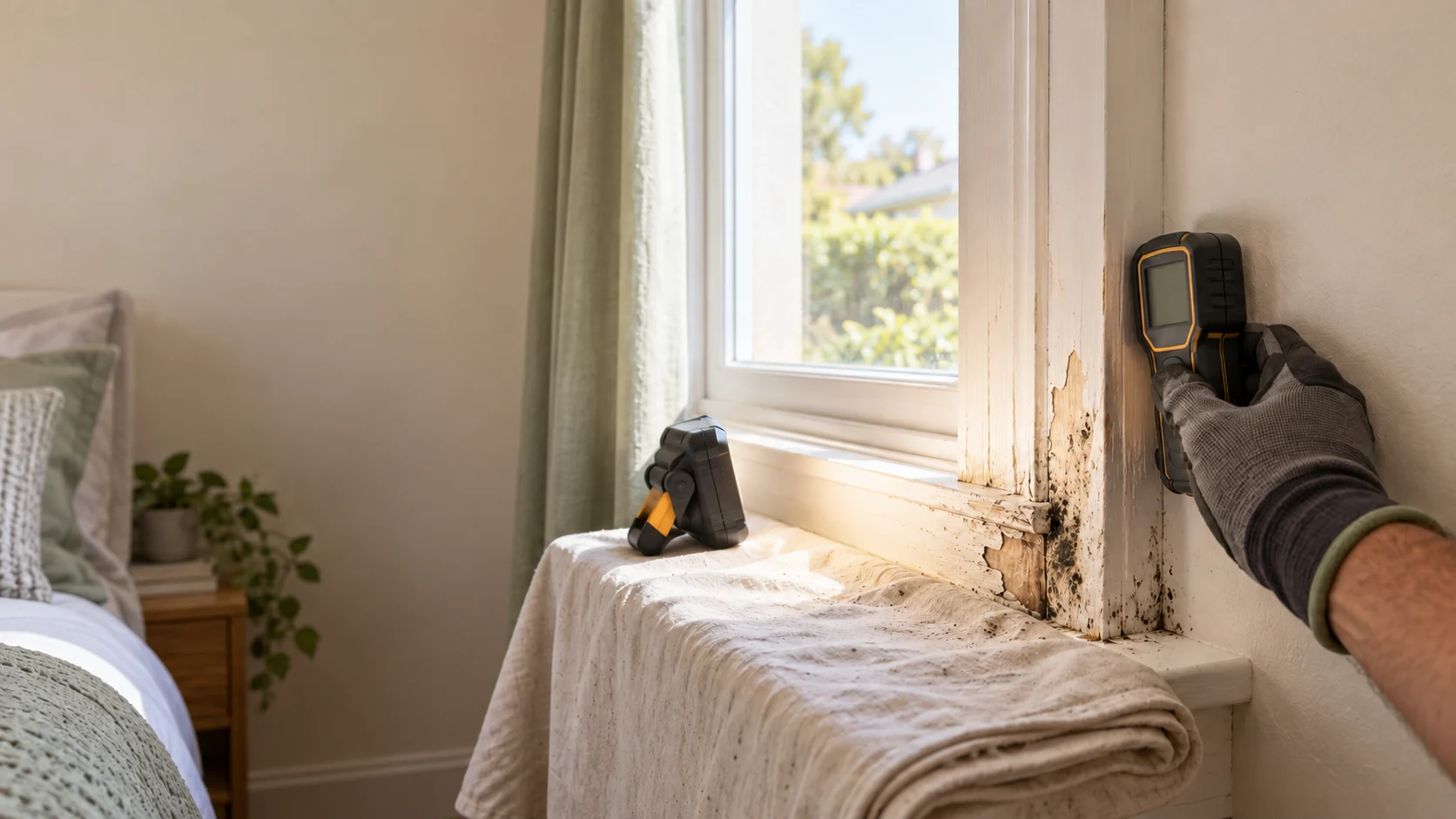
Repair or replace deteriorated walls, ceilings and finishes affected by mould or dampness, with treatment and drying where needed.
Request a free repair quoteCollect a surface sample at home for laboratory analysis.
Your first step
Get a free quote for repair work, or book a paid assessment to investigate the mould and receive written findings.
Free
Repair quotation
A site visit to look at the visible damage and quote for the proposed repair work.
Free
Ask for a free quotePaid assessment
Insurance claims
Investigate likely causes, record findings and get practical recommendations for your property.
From $339.25 including GST






Klarna for eligible personal purchases · Afterpay coming soon
The work depends on the materials and extent of damage. A surface suitable for treatment may be retained; deteriorated material may need repair or replacement. We discuss that distinction before agreeing the work.
Repair costs depend on access, the affected materials and the work needed. We provide a written quotation before you decide.
Healthy & Dry provides free repair quotations. Standalone mould investigations and written reports are a separate paid service. Treatment, drying, specialist investigation, removed materials and reinstatement need a clear scope. The job is quoted individually; additional costs are agreed before proceeding.
Typing stays in this open page and is not saved. Only submitting an AI question sends and saves it.
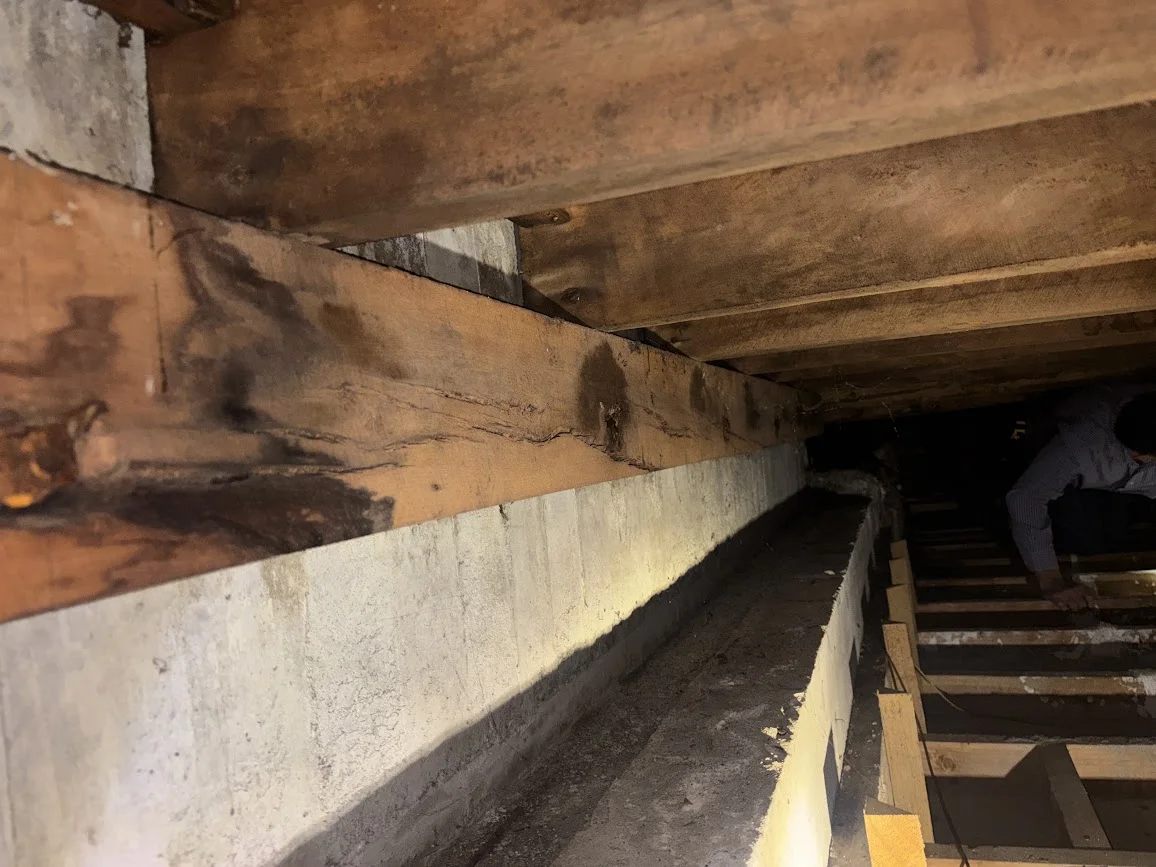
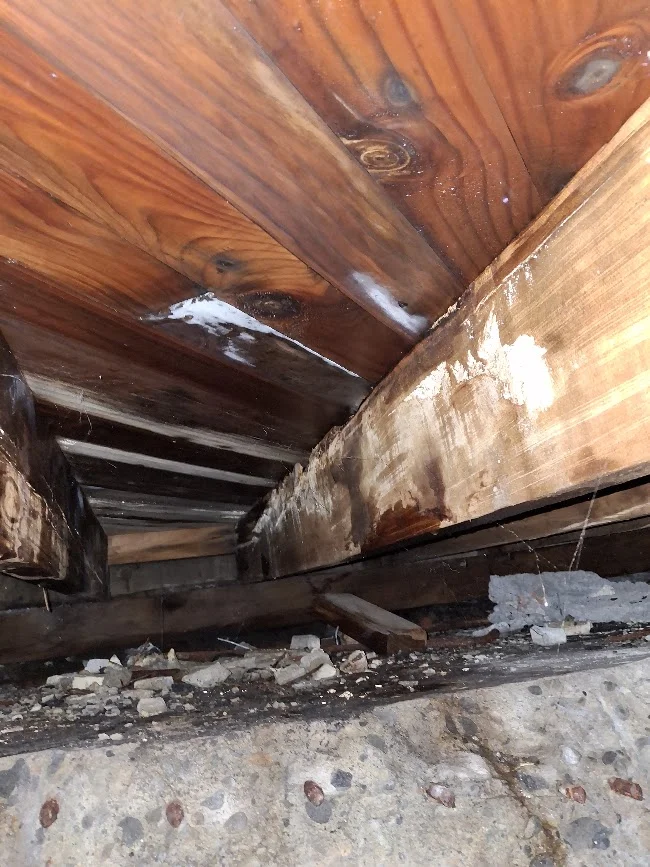
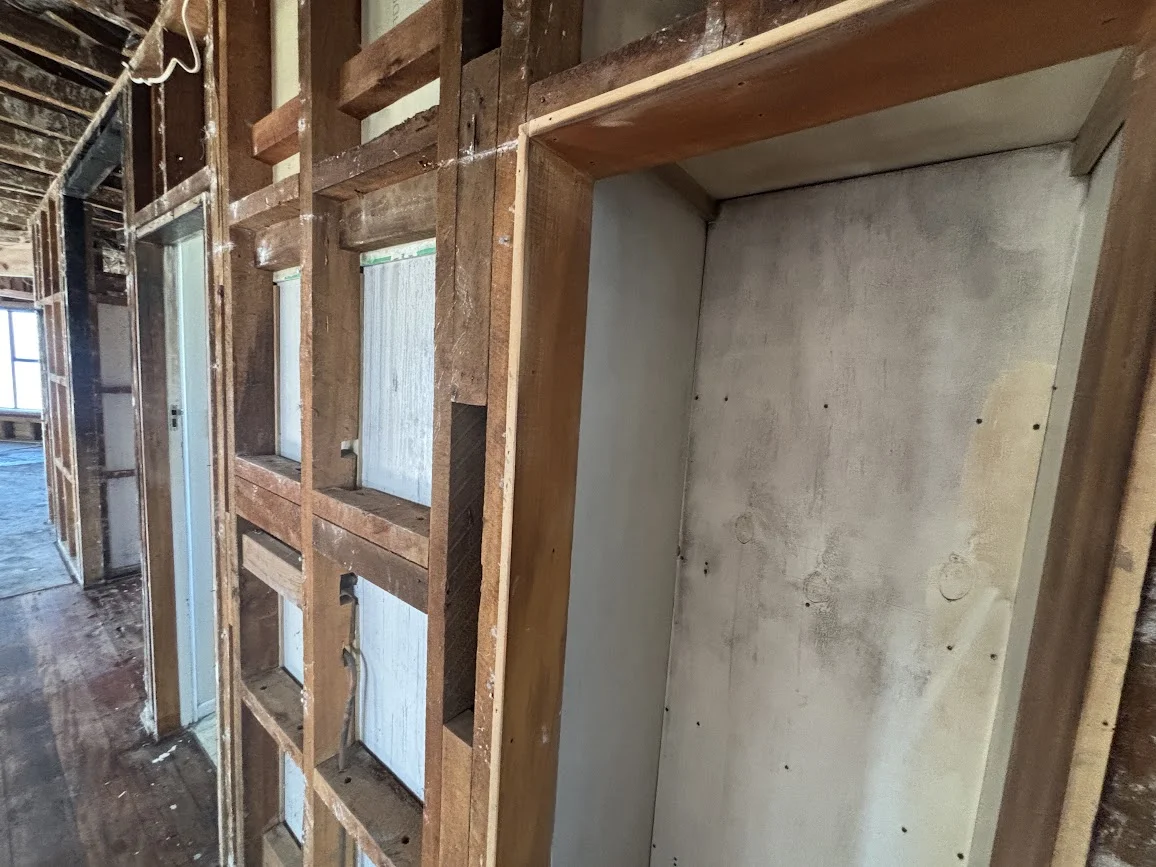
A real basement example with severe moisture problems, poor ventilation and mould growth.
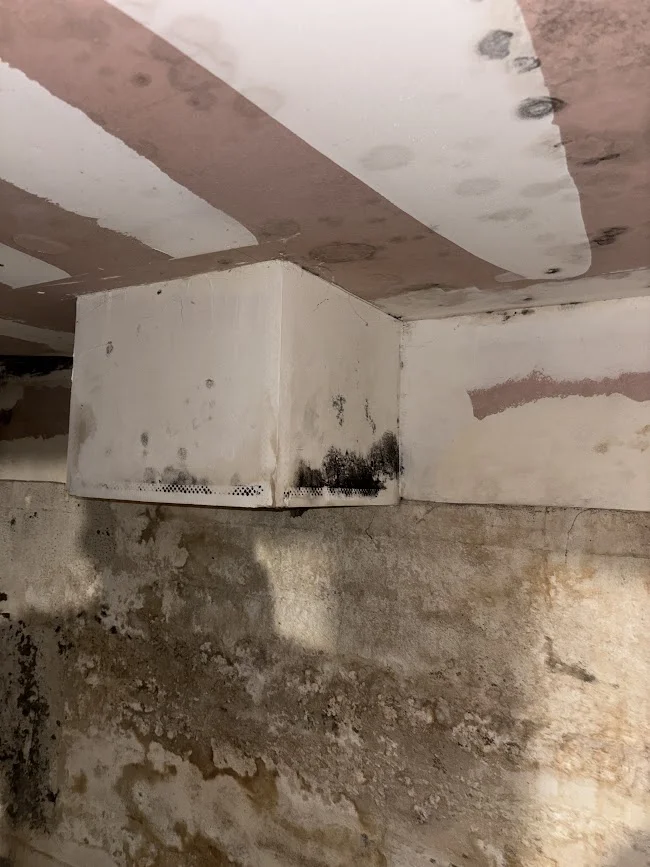
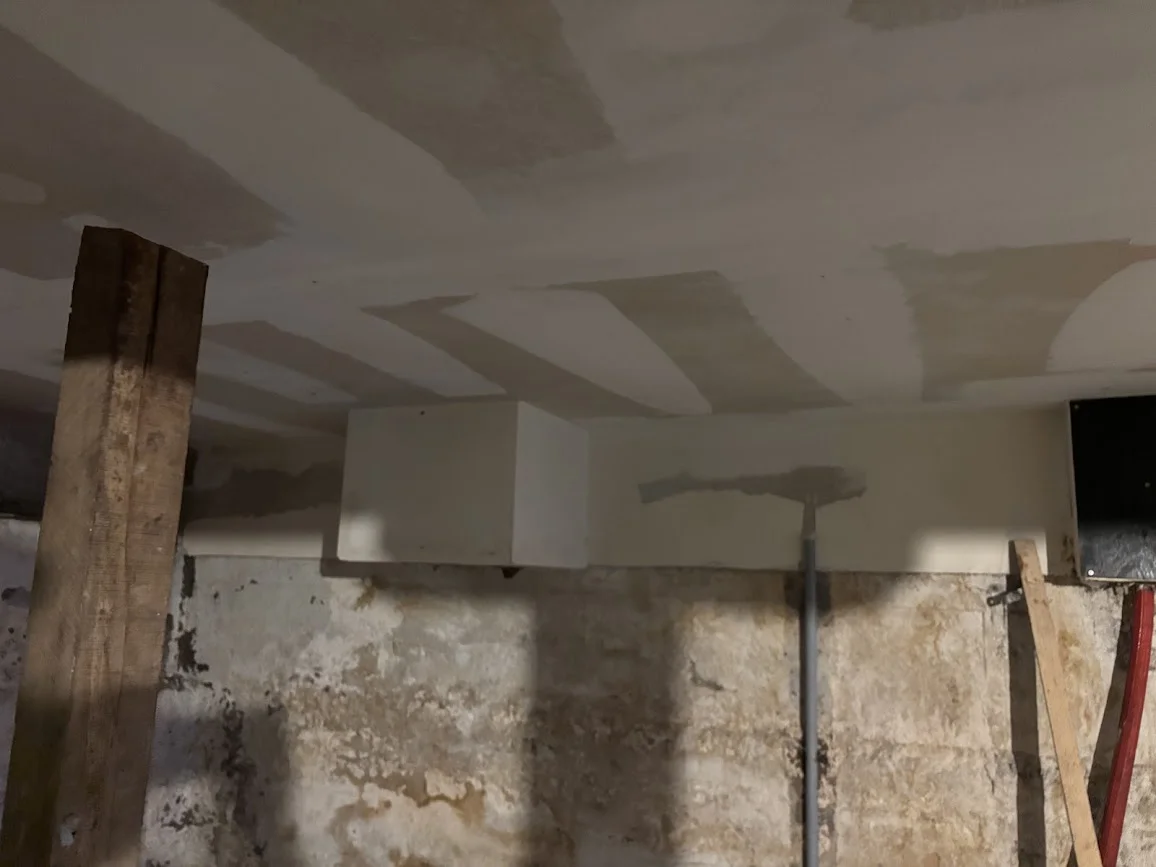
Moisture sources, ventilation and the condition of affected materials need to be considered together when planning treatment and repairs.
Mould and moisture
It depends on the condition of the affected materials.
Mould cleaning - for affected surfaces that can stay.
Mould and damp damage repairs - for damaged walls, ceilings or finishes that need repairing or replacing.
Some homes need both. We look at the problem and explain what we recommend before quoting.
Possible causes include condensation, leaks and other moisture problems.
Mould around a window, a damp wardrobe and a stained ceiling can point to different problems. We look at the affected area, its condition and the history you describe before discussing suitable treatment and repairs.
Tell us when the problem appears, whether it changes with weather or use of the room, and what has already been tried. Condensation, ventilation and leaks may need consideration. If the cause remains uncertain, we explain the limits of what we can establish and any further investigation needed.
Ongoing moisture or cold surfaces may be contributing.
Describe when it appears, which surfaces are affected and whether the room has condensation or known leaks. A pattern over time helps the discussion, but the cause still needs to be considered at the property.
We explain what the visible evidence supports and what remains uncertain. Further investigation may be needed before the repair can be fully defined; we discuss that next step with you.
Sometimes. It depends on the surface, extent and conditions.
A small patch on a sound washable surface may be manageable with suitable precautions and moisture control. Recurring growth, wet porous materials, flood contamination and hidden damage need a different assessment. Painting over it does not deal with the cause.
Address the moisture conditions as well as the existing growth.
Mould spores occur naturally in indoor and outdoor air. Remove existing mould and address the conditions that allow it to grow: leaks, dampness, indoor moisture and cold surfaces. Suitable ventilation, heating and insulation can help. Treatment alone cannot keep mould away if those conditions remain.
Repairs and finishing
No. We assess the plasterboard’s condition, moisture exposure and suitability for treatment, then explain whether it can stay, needs repair or should be replaced. The proposed approach is included in the repair scope.
Yes. For cleaning and treatment of visible growth, see mould treatment. For wet windows or steamy rooms, explore ventilation and condensation.
Painting is one stage of a moisture repair, not the starting point for every affected surface. We consider treatment, moisture control, drying and preparation in sequence so the proposed finish is appropriate for the condition of the room.
For an occupied home, we agree access, protection of belongings and the areas needed for work. If opening an area reveals additional damage, the extra scope and price are discussed before proceeding.
Read about repairs after water damage →Treatment time and drying time are different. Agree restricted areas, pets, occupants, product instructions and completion checks. Future moisture can cause growth to return, so cleaning needs to sit alongside maintenance and suitable ventilation.
Sources: HealthEd - mould after flooding (opens in a new tab); CDC/NIOSH - mould testing and remediation (supplementary guidance) (opens in a new tab).
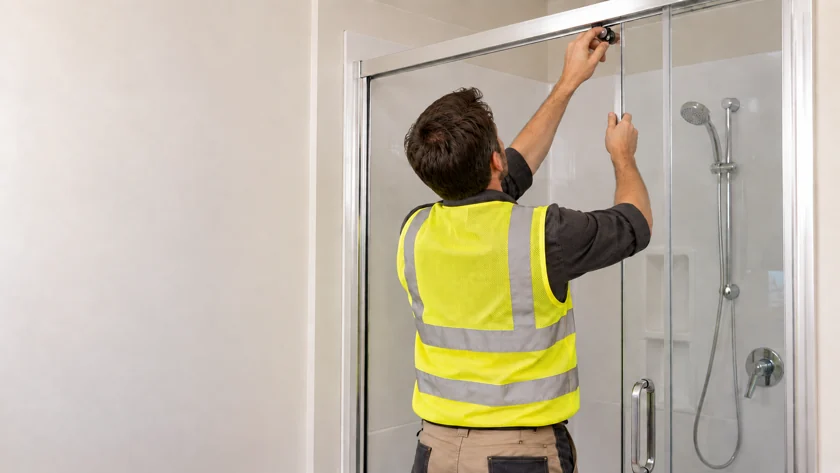
Yes. A damaged shower lining or damp bathroom wall can call for a focused repair. We discuss the surrounding materials before agreeing suitable shower-lining, wall or ceiling repairs and finishing. Any plumbing, electrical or specialist waterproofing work is outside our scope and is arranged directly by the client.
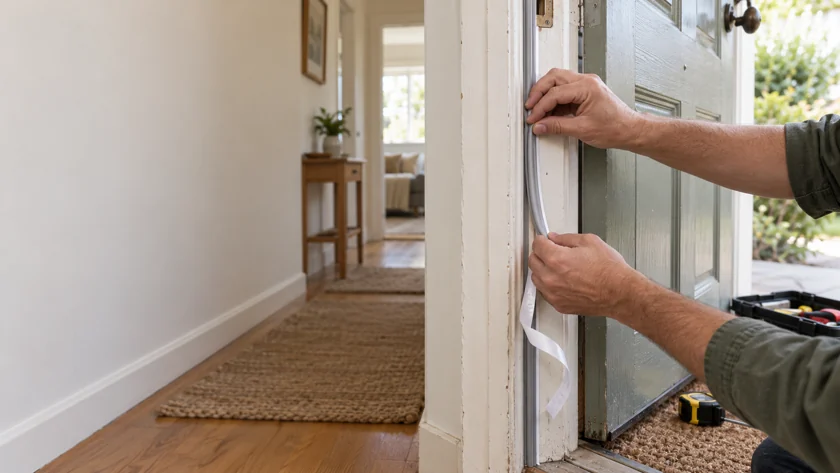
Suitable window and door sealing can be included where it forms part of the agreed repairs. We consider ventilation and moisture together when discussing improvements.
Not necessarily. Other moisture problems may also need attention.
Ventilation can be one contributing condition, but it does not explain every damp patch. We flag concerns about extraction, leaks or damaged materials. The client arranges any fan, electrical or plumbing specialist directly; we do not install or organise ventilation systems.
No. We can flag ventilation concerns during the agreed mould assessment or repair-scoping visit. We do not install, replace or arrange extractor fans, ducting or ventilation systems. The client contacts a suitable specialist directly. Our quotation covers only the treatment or selected repairs expressly agreed with you.
Our findings distinguish the repairs we offer from work needing a separate specialist. Ventilation does not repair an active leak. You arrange the appropriate provider to address water entry or specialist installation work.
Read practical heating and ventilation guidance →We use professional Actichem products selected for the surfaces and work required. Where suitable, a protective treatment can help discourage mould regrowth, alongside addressing the moisture conditions.
Quotations and arranging work
We look at accessible visible damage, discuss the history you describe and provide a quotation for the proposed repairs. A standalone mould investigation and written assessment report is a separate paid service. Further investigation, opening up or specialist work needs its scope and any cost agreed before proceeding. We discuss visible findings and repair options verbally.
Include the property location, photographs taken safely, the affected rooms and surfaces, how long the problem has been present and any known leak or flood. Tell us what has already been tried and whether you have an existing repair scope. You do not need to disclose private reasons for wanting laboratory testing.
The affected area, materials, moisture and agreed work determine the price and timing.
Single-room ceilings and walls typically cost $350 to $495 including GST (NZD). Selected-area treatment across several rooms is priced as per quote for localised patches agreed across the rooms. Your quote confirms the affected area, surfaces and severity. Treatment normally takes a couple of hours; we aim to finish the agreed rooms in one visit. Drying and repairs are quoted separately, with their own timing.
Yes. Bring the complete report and photographs and identify the repair items you want quoted. A free repair-scoping visit establishes relevant items and quantities, including where the report has not listed them. Tell us what is already arranged with other contractors.
Your quotation identifies the included treatment, selected shower-lining, wall or ceiling repairs, preparation and repainting. Floor and subfloor repairs are not offered. We explain items needing clarification, another provider or separately agreed investigation. Completion information records the agreed repairs; it does not certify the whole property or guarantee a later inspection outcome.
A standalone mould assessment is a separate investigation with documented findings. See the $339.25 including GST mould assessment →
Information for property managers →Assessments, reports and testing
When you want a standalone investigation and documented findings, rather than only a repair quotation.
The mould assessment considers the growth and conditions contributing to it. The water and dampness assessment considers wetness, moisture damage and suspected water entry or condensation. We agree the scope before booking.
A report records findings and recommendations, including uncertainty and any further investigation needed. It covers the agreed assessment rather than certifying the whole property.
Choose surface testing to learn about the sampled growth. Choose a building assessment to consider visible moisture damage, material condition and repair options. You can request testing without explaining your private reason.
A thermal camera does not see mould through walls, and neither a test nor a property report diagnoses symptoms or certifies medical safety.
Explore nationwide laboratory mould testing or arrange an on-site mould assessment.
No. It documents the agreed assessment, findings and recommendations. It is not a mould-clearance certificate or whole-property Healthy Homes compliance certificate.
Our on-site mould assessments and moisture repair services cover Taranaki. Repair quotations are free. A standalone mould investigation and written assessment report is a separate paid service. DIY surface-sampling kits are available nationwide. Choose your sample quantity and complete the kit application online, then pay securely through your Xero invoice. Your kit is prepared after payment is confirmed. See the kit page for prices, inclusions and courier arrangements.
Use the linked guides below for the detail that fits your question.
Guidance reviewed 7 October 2026. Information is national; our service areas are stated separately.
Start an enquiry
Share the affected rooms, how long the problem has been there and whether it returns. You can select photographs or an existing PDF report to go with your enquiry.
Review your enquiry below. Nothing is sent until you confirm Send enquiry.
Nothing has been sent. Check your details below. If online sending is unavailable, email info@healthydry.co.nz, call 0800 111 944 or save a copy.
Downloaded summaries list filenames only; they do not include the files.
Wait for the confirmation before closing this page.
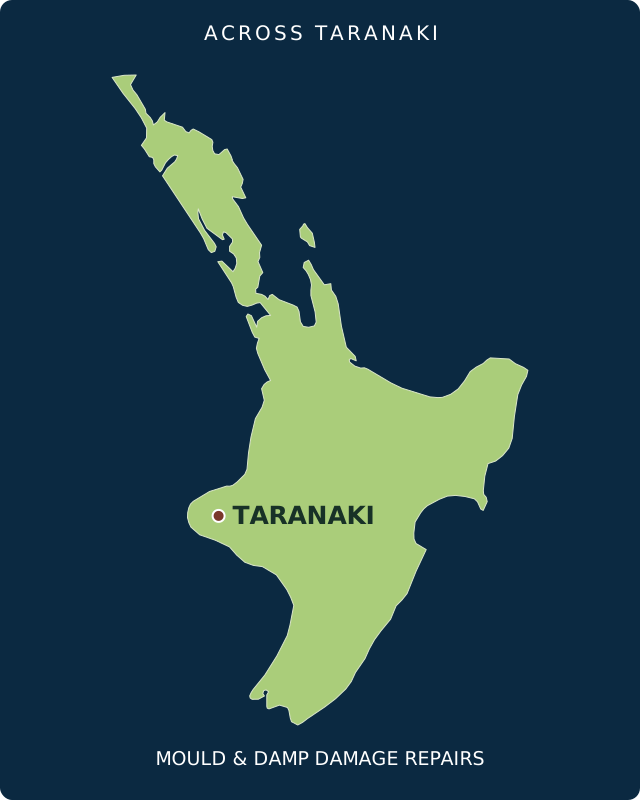
Across Taranaki
Repairs to mould-affected or damp-damaged walls, ceilings and finishes throughout Taranaki, including towns, farms and rural properties.
Tell us your town or postcode, the affected rooms and any existing inspection findings. We’ll discuss access, travel and the repairs you want quoted.