
Free
Repair quotation
Free repair quote
A site visit to look at the visible damage and quote for the proposed repair work.
Free
Ask for a free quote- Site visit to discuss repairs
- Proposed scope of work
- Written repair quotation
Interior repairs and repainting
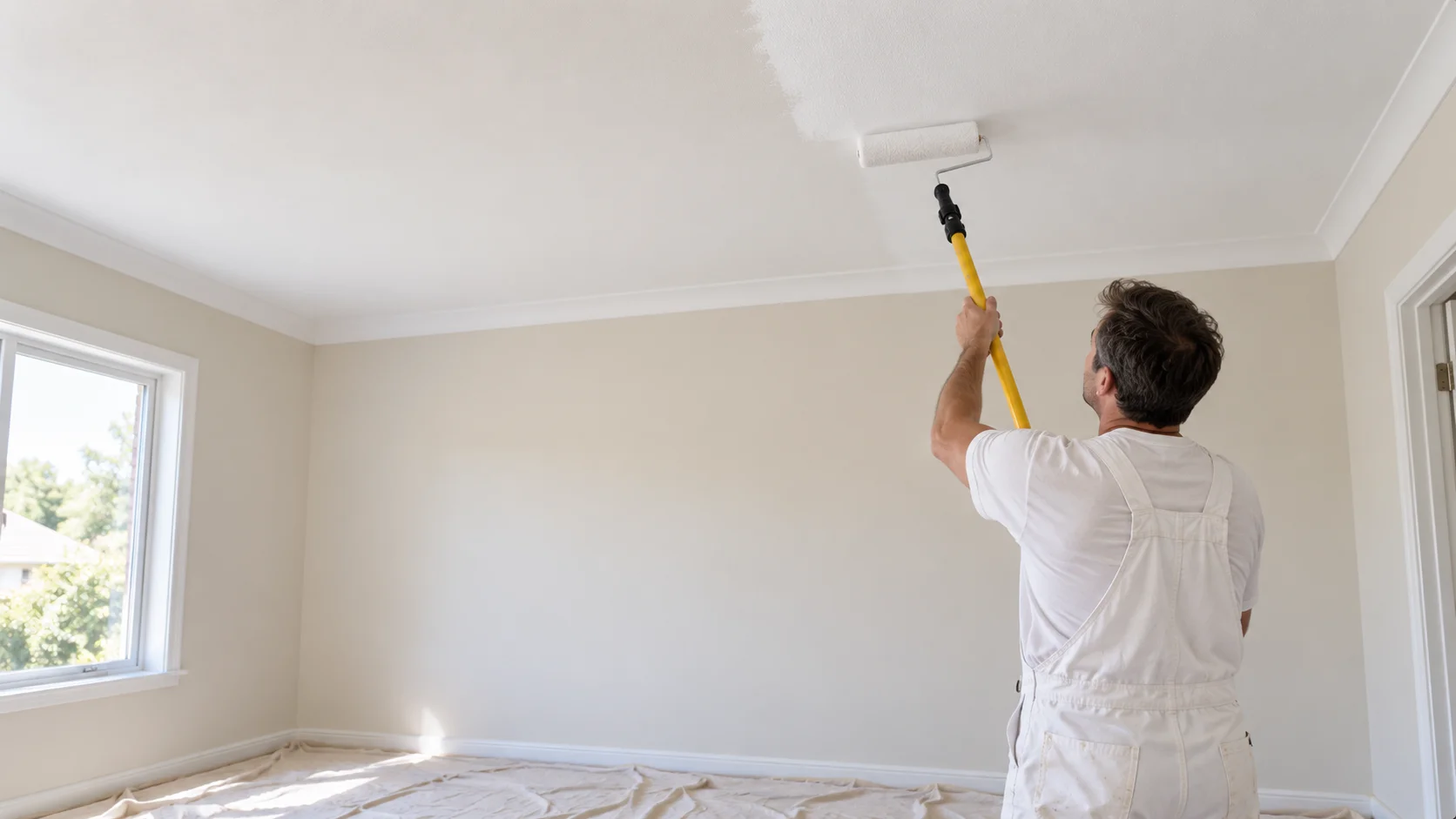
From a damaged wall to a bedroom that needs refreshing, we repair and prepare the surfaces before giving the room a fresh finish.
Request a free quoteCollect a surface sample at home for laboratory analysis.
Your first step
Get a free quote for repair work, or book a paid assessment to investigate the mould and receive written findings.
Free
Repair quotation
A site visit to look at the visible damage and quote for the proposed repair work.
Free
Ask for a free quotePaid assessment
Insurance claims
Investigate likely causes, record findings and get practical recommendations for your property.
From $339.25 including GST






Klarna for eligible personal purchases · Afterpay coming soon
When dampness or mould is involved, we consider the condition beneath the finish. Preparation may need to include treatment, drying or replacement of unsuitable material before painting.
See mould and moisture repair work →Typing stays in this open page and is not saved. Only submitting an AI question sends and saves it.
A real interior project
Views of the room before the work and after completion.
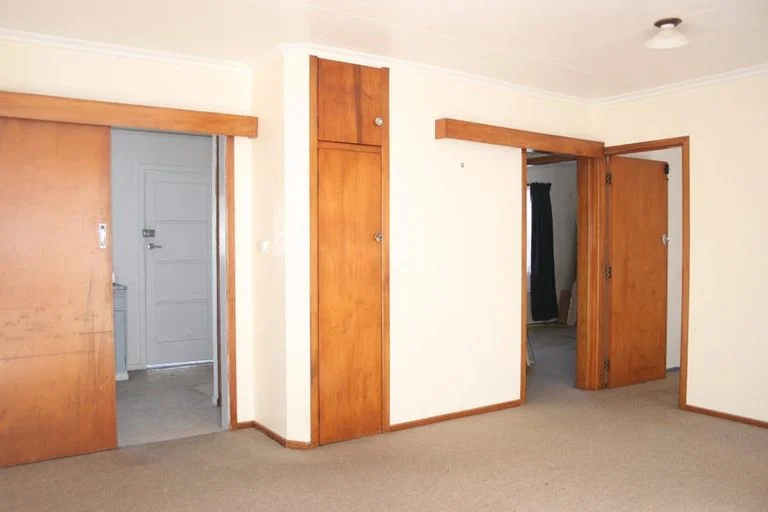
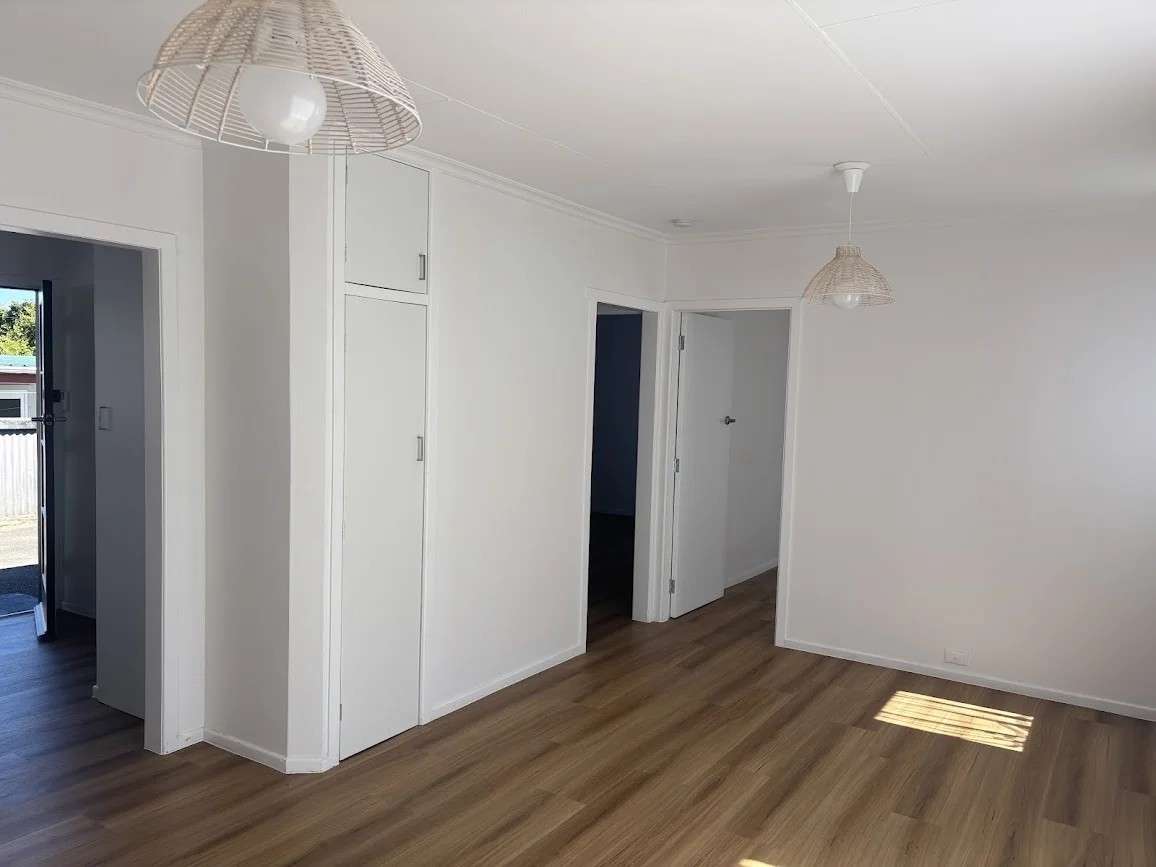
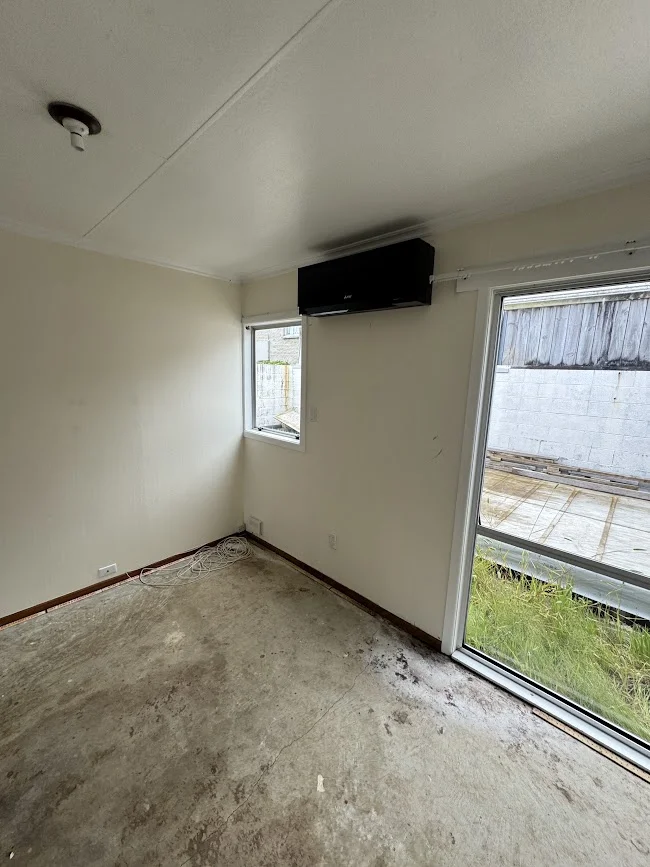
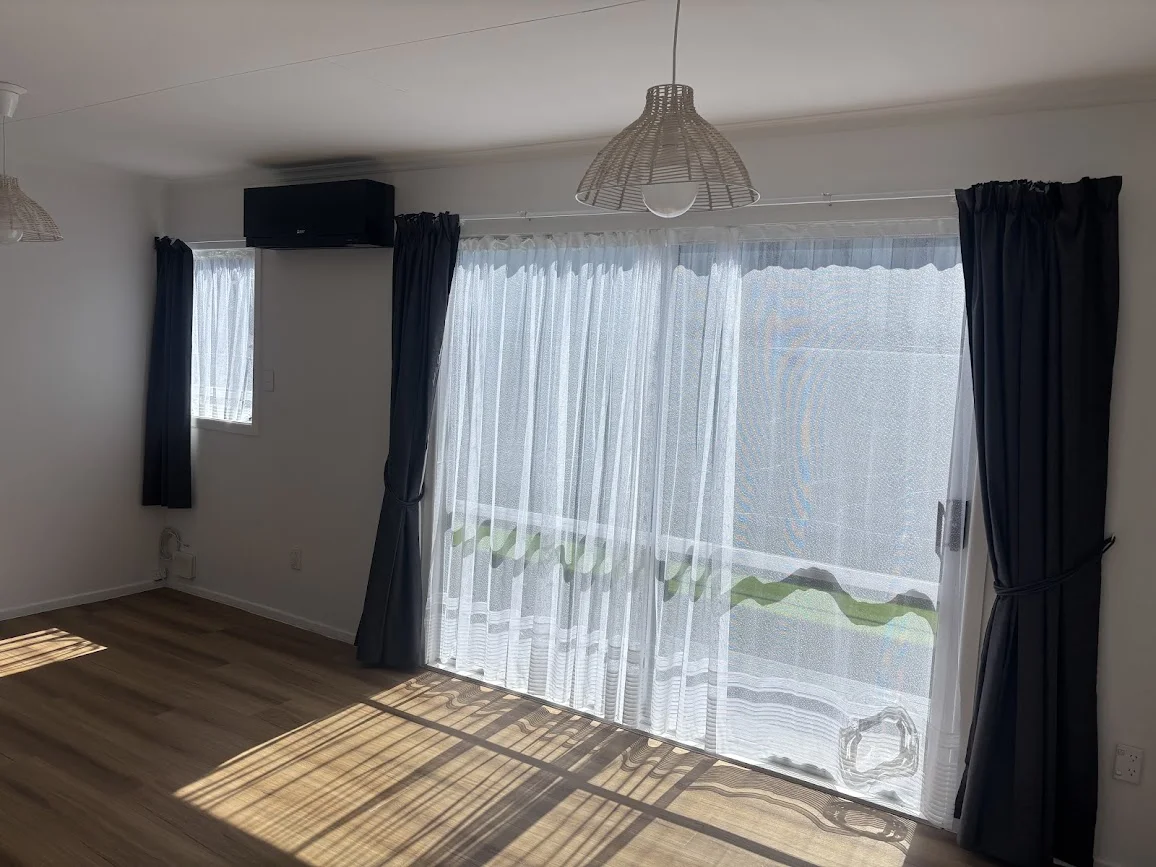
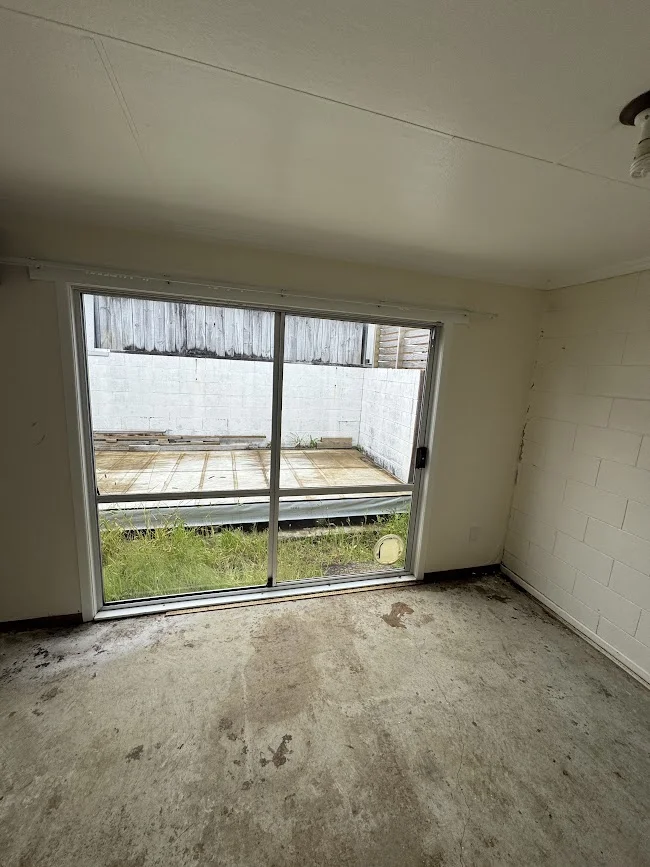
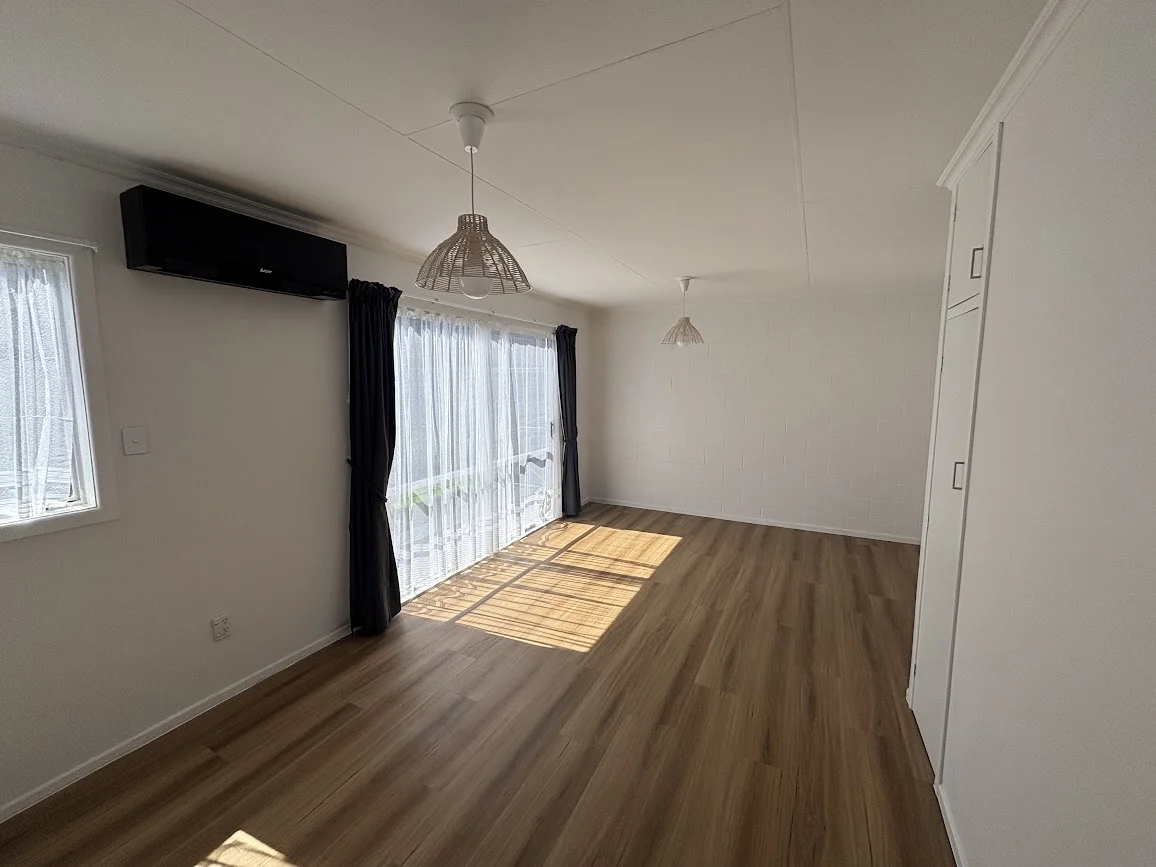
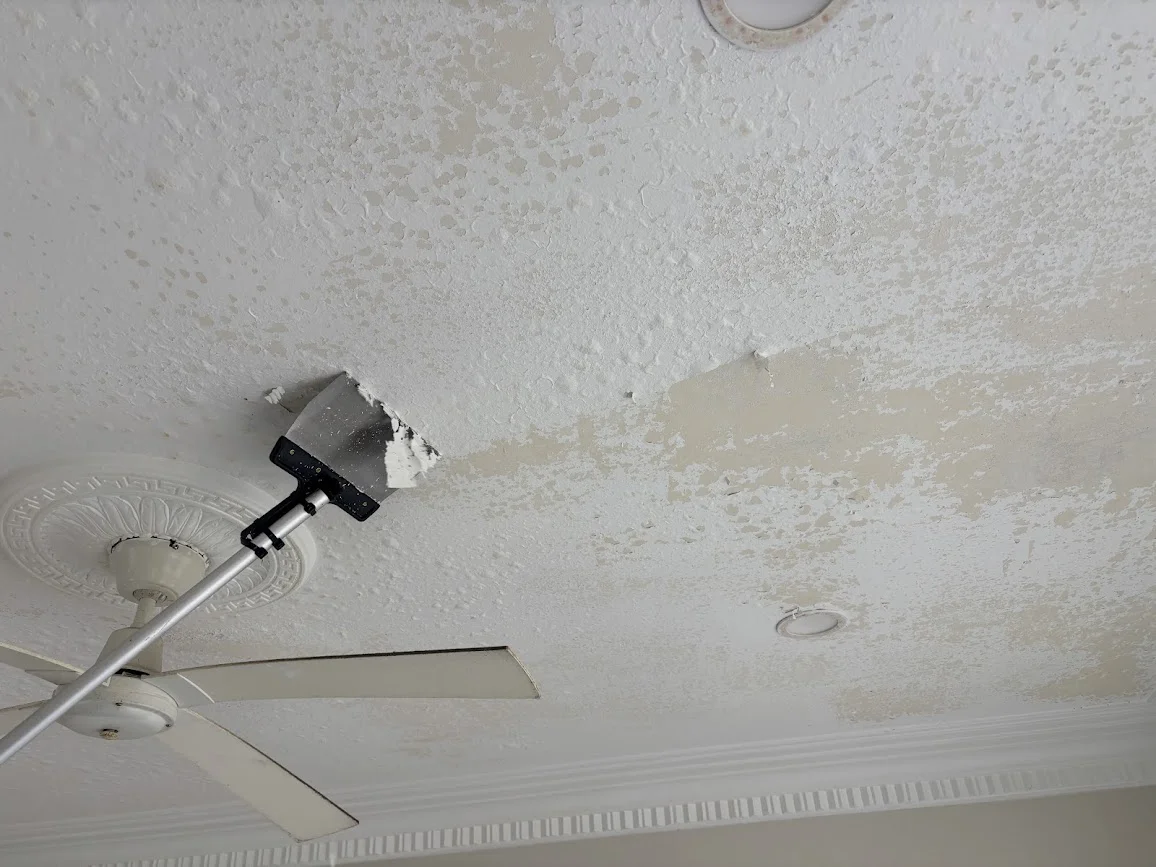
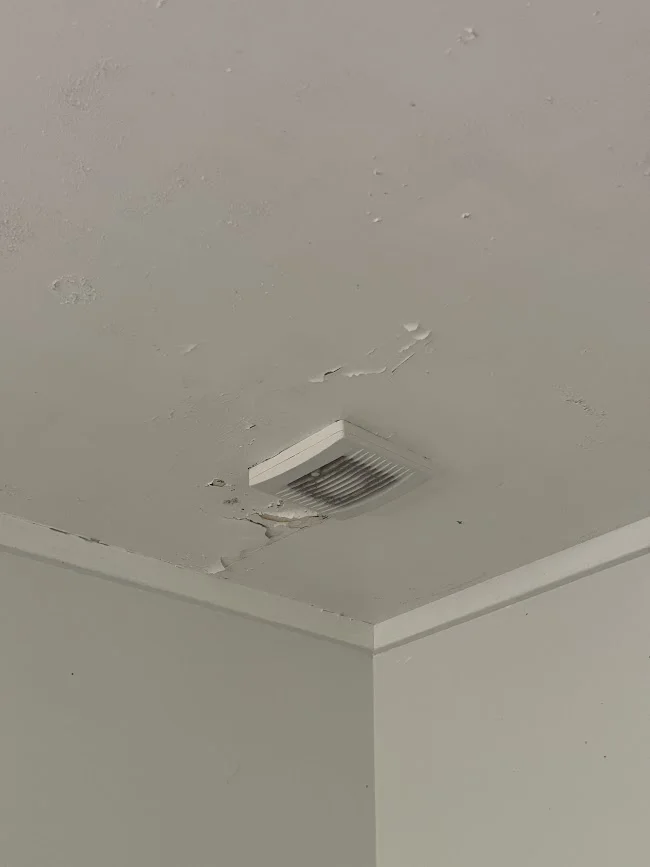
Peeling paint, mould and water stains need preparation suited to the surface. We plan treatment, drying, repairs and a compatible coating system before repainting.
Explore paint, sheen and preparation choices →Repairs and preparation
Yes. Smaller repairs and individual-room painting are welcome. The quote reflects the preparation, access, materials and finishing needed for your particular job.
A ceiling stain, damaged plasterboard or peeling paint can make an otherwise comfortable room feel unfinished. We work on individual rooms and smaller interior repairs, including bedrooms, living areas, bathrooms and laundries.
Tell us which surfaces need attention and whether you want a local repair or the whole room repainted. That helps us agree the extent of preparation and finishing before pricing the work.
Check the moisture source and lining condition before painting.
We need to consider whether moisture is still entering and whether the lining is suitable to retain. Drying or repairs may be needed before surface preparation and painting.
Yes. Suitable treatment, drying, preparation and repainting can be included in the agreed repairs. We consider the moisture problem and condition of the surface before selecting the paint system.
Paints, colours and finishes
You can choose colours and suitable finishes with our guidance.
We discuss the surfaces, colours and extent of repainting, then prepare the agreed areas. The choice of primer and paint depends on the material and how the room is used. We source, supply and apply Resene and Dulux paints, with lower-VOC options where preferred and suitable. You choose the colour and sheen with our guidance; we do not apply customer-supplied paint.
That depends on the age, colour, sheen and condition of the surrounding paint. We discuss whether a local touch-up or repainting a larger surface will give a suitable result.
Yes. Ask us about lower-VOC options. We check them against the surface, room use and finish you need before selecting the paint.
Use paint and preparation suited to the surface and wet-room conditions.
We select a compatible paint system for the surface, moisture conditions and agreed finish. Preparation can include treatment, drying, repairs and a suitable primer or sealer before the topcoat.
Planning the visit and room use
Tell us about large furniture, stored items and any access restrictions. We can then agree what needs moving and how nearby surfaces will be protected before work starts.
Yes. Vacant homes are welcome. Give us your intended dates early so the scope, access and work sequence can be discussed before a schedule is agreed.
We welcome occupied and vacant homes. Before starting, we agree access, protection of floors and furniture, room use and working hours. Preparation and drying affect when a room can be used again; the sequence is planned around the actual work. After-hours arrangements can be discussed.
A free visit helps establish the areas and quantities for your quotation. Mention any previous leaks or repairs and tell us if you are working towards a move-in date.
Bathroom & laundry painting
Bathrooms and laundries need paint that can withstand humidity, condensation and everyday cleaning. We use selected Resene and Dulux paints with mould inhibitors to help protect the painted surface. Their durable, easy-clean finishes make everyday marks easier to remove, helping your walls and ceilings stay looking freshly painted for longer.
We source, supply and apply Resene and Dulux paints. You choose the colour and sheen with our guidance; we select a compatible paint system for the surfaces. We do not apply customer-supplied paint.
01 · Choose mould protection
We match the paint to your ceilings, walls and trim, how often they need cleaning, and the finish you like. These are the specialist options we work with.
Mould protection with a finish you can look after.
Resene’s Kitchen & Bathroom range combines MoulDefender with durable, cleanable finishes. We can use SpaceCote Flat for a subtle ceiling finish, SpaceCote Low Sheen on walls, or Lustacryl semi-gloss for suitable trim.
For other suitable Resene waterborne paints, MoulDefender can be added at the shop. We check the paint and additive combination with Resene, so the protection suits the system we apply.
MoulDefender helps slow mould’s return. We consider ventilation and moisture alongside the paint to help the finish stay in good condition.
Resene’s Kitchen & Bathroom range → (opens in a new tab)How MoulDefender works → (opens in a new tab)Hard-wearing wall finishes for steamy rooms.
For bathroom and laundry walls, we use Dulux Wash&Wear +PLUS Kitchen & Bathroom. The low-sheen option combines Mouldshield Technology with a water-repellent surface, so most everyday marks wipe away with a damp cloth.
There is also a semi-gloss option when you prefer more sheen. For ceilings, Dulux Ceiling White +PLUS Kitchen & Bathroom provides a flat finish with Mouldshield Technology.
Help the finish last. Mould-resistant paint protects the painted surface. Addressing leaks, managing condensation and keeping ventilation working well are part of looking after the room too.
02 · Choose your sheen
A subtle ceiling finish
Low reflection softens the appearance of surface irregularities. Cleaning needs care, but specialist flat bathroom paints can be cleanable.
A practical wall finish
A gentle sheen balances a softer appearance with everyday cleaning. Often a good starting point for bathroom and laundry walls.
More reflection, easier wiping
Often easier to wipe clean and useful for trim or suitable walls. The extra reflection makes uneven preparation more noticeable.
Sheen comparison showing how finishes reflect light; these are not paint colour samples. Cleanability also depends on the formulation, curing and care - not sheen alone. We discuss colour samples, room lighting and cleaning before the final choice.
03 · Prepare for a lasting finish
Once we have discussed your paint and finish, we plan the preparation needed to support them. Treatment, drying and repairs come before the first coat.
Mould treatment
On suitable surfaces, we use Resene Moss & Mould Killer to kill common moulds and fungi, then clean away the treated growth. We follow Resene’s application and rinsing instructions and let the surface dry before repairs and painting.
See a shower mould before-and-after example →We look at condensation, ventilation, possible leaks and the condition of the coating. Treatment and drying are planned around the surface and the work needed.
After checking the old coating and choosing a safe preparation method, we remove unsound, flaking paint, feather sound edges, fill or skim depressions and sand the repairs smooth.
We select a compatible primer, sealer or undercoat for the material, repairs and stains, then apply the chosen topcoat system with the required drying time.
When paint breaks away, the missing layer leaves a shallow depression and a visible edge. Painting straight over it can leave that outline showing.
We level these areas with suitable filler or skim before sealing and painting. Undercoat helps prepare the repaired surface; it does not fill the indentation. The existing finish and lighting affect how a repair blends.
Bare plasterboard, filler, timber, old glossy coatings and water stains can need different preparation products. A sealer helps control absorbency; a suitable primer supports adhesion; a stain-blocking product may be needed to stop discolouration bleeding through. Some products combine these roles. We follow the selected system’s instructions after checking the surface and addressing moisture.
Product instructions determine preparation, application and care for the selected paint. Allow the specified time before steam exposure or cleaning.
Send a few photos of the peeling paint, mould or surfaces you want refreshed.
Start an enquiry
Describe the surfaces that need repairing or repainting and the finish you have in mind. Photographs can help show the size and condition of the area.
Review your enquiry below. Nothing is sent until you confirm Send enquiry.
Nothing has been sent. Check your details below. If online sending is unavailable, email info@healthydry.co.nz, call 0800 111 944 or save a copy.
Downloaded summaries list filenames only; they do not include the files.
Wait for the confirmation before closing this page.

Across Taranaki
Suitable interior repairs, surface preparation and individual-room painting throughout Taranaki, including towns, farms and rural properties.
Tell us your town or postcode and which rooms or surfaces need attention. We’ll discuss the finish, access, travel and quotation arrangements.